CBD Purist Home

Category

Ingredients & Labelling

22 articles

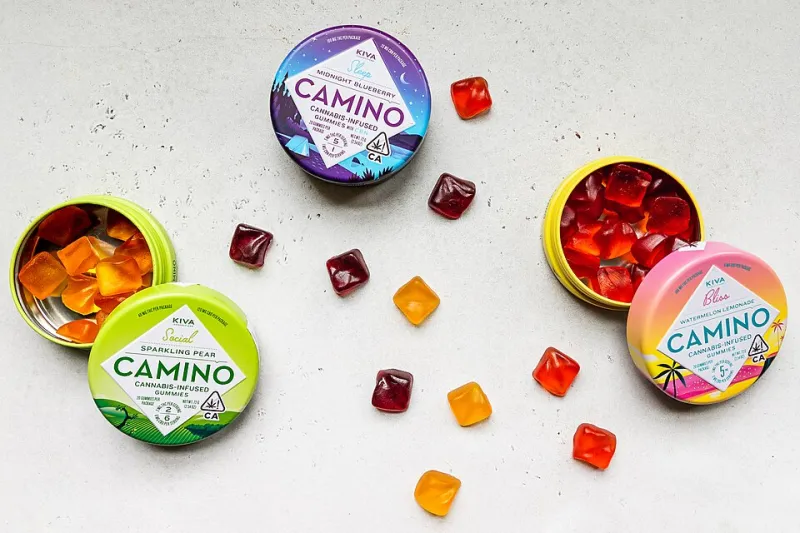
The Average in the Bag: Why a CBD Gummy Certificate Cannot Vouch for the Sweet You Eat

The Average in the Bag: Why a CBD Gummy Certificate Cannot Vouch for the Sweet You Eat

A UK CBD edible usually declares one potency figure per sweet, yet the certificate behind it often describes a blended sample rather than any individual piece. This article sets out what a homogeneity claim would need to prove, why an average cannot demonstrate even distribution, and how to tell whether an edible brand has genuinely tackled the problem.
Kitchen-Table Science: Why Five Popular Home CBD Checks Cannot Verify Purity

Kitchen-Table Science: Why Five Popular Home CBD Checks Cannot Verify Purity

A glass of water, a freezer shelf and a taste test can be reassuring rituals, but none of them can establish cannabinoid content, contamination or label accuracy. This guide explains what each informal check actually demonstrates — and why a batch-specific certificate remains the only credible route for UK buyers.

A British Address, Not a British Batch: Auditing Provenance Claims on UK CBD

A British Address, Not a British Batch: Auditing Provenance Claims on UK CBD

A 'Made in the UK' line on a CBD label can describe anything from the milling of hemp grown in Lincolnshire to the simple act of filling an imported isolate into bottles in a rented unit. This audit sets out what a provenance claim actually covers, which documents can substantiate it, and how a UK buyer can tell a manufacturing record from a marketing sentence.

The Sum of the Parts: Reading Cannabinoid Mass Balance on a UK CBD Certificate

The Sum of the Parts: Reading Cannabinoid Mass Balance on a UK CBD Certificate

A certificate can list CBD, CBDA, CBG and a handful of minor cannabinoids without showing whether those figures account for the extract they describe. This guide explains cannabinoid mass balance, why unexplained gaps matter, and what UK buyers should ask when the numbers on a lab report do not reconcile.

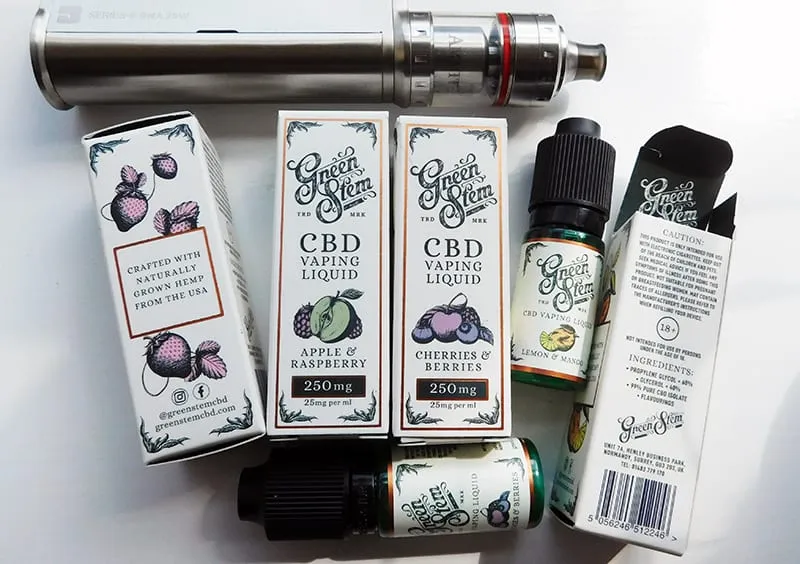
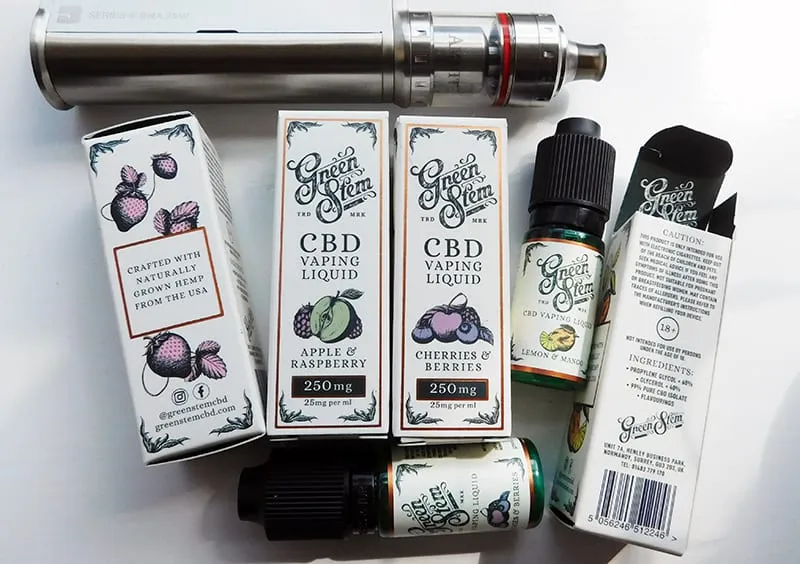
The Device Is Not on the Certificate: Auditing CBD Vape Purity Beyond the Liquid

The Device Is Not on the Certificate: Auditing CBD Vape Purity Beyond the Liquid

A CBD vape certificate of analysis describes the liquid in the cartridge, not the aerosol a buyer actually inhales. This audit examines what falls outside the sample bag — coil alloys, wick material, device wattage, cutting agents and terpene load — and sets out the questions a purity-minded UK buyer should ask before trusting a cartridge.

Beyond the Dropper Mark: Why Per-Drop CBD Potency Is an Estimate, Not a Measurement

Beyond the Dropper Mark: Why Per-Drop CBD Potency Is an Estimate, Not a Measurement

A label stating a precise milligram figure per drop can create an impression of measured accuracy that the underlying batch certificate does not support. This article examines the arithmetic behind per-drop CBD claims, the physical variables that alter drop size, and the disclosures that separate a transparent calculation from decorative precision.

A Percentage Without a Subject: Why '99% Pure Isolate' Cannot Vouch for a CBD Oil

A Percentage Without a Subject: Why '99% Pure Isolate' Cannot Vouch for a CBD Oil

A 99% isolate figure may be accurate for a bag of raw powder while saying very little about the oil in a dropper bottle. This guide explains what the number measures, how carrier dilution changes the arithmetic, and which finished-product evidence a UK buyer should check before treating isolate purity as a quality claim.

Below the Line: What 'Not Detected' Really Means on a UK CBD Certificate

Below the Line: What 'Not Detected' Really Means on a UK CBD Certificate

A 'not detected' entry on a CBD certificate of analysis is a statement about a test, not a guarantee of absence. This guide explains limit of detection and limit of quantification, why laboratories report different thresholds, and how UK buyers can compare certificates without being misled by insensitive methods.

The Quiet Panel: Why Microbiology Results Deserve a Place Beside Potency on UK CBD Certificates

The Quiet Panel: Why Microbiology Results Deserve a Place Beside Potency on UK CBD Certificates

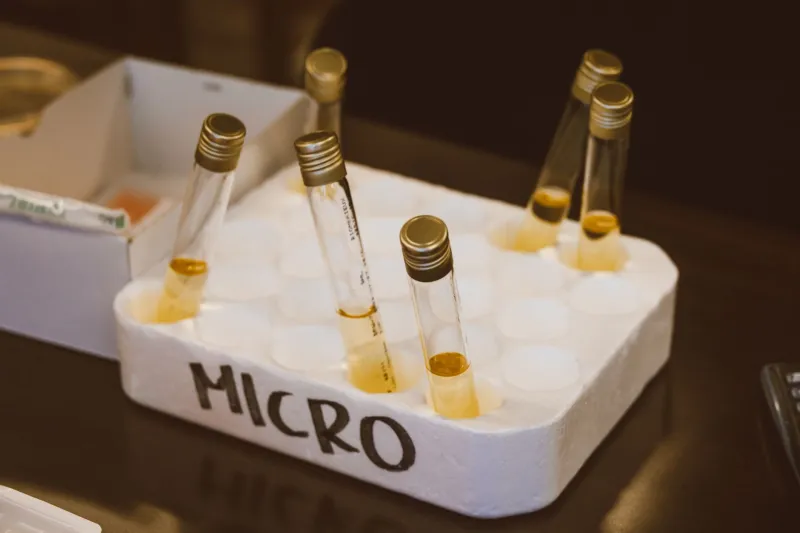
Potency and heavy metals dominate UK CBD certificates because they are easy to screenshot and simple to compare. Microbiology panels are less photogenic, but their absence leaves a genuine gap in the evidence. This article explains what those tests cover in an oil-based product and how buyers can ask about them without turning a routine question into a confrontation.

Solvent-Free Is a Claim, Not a Finding: Auditing Extraction Language on UK CBD Oils

Solvent-Free Is a Claim, Not a Finding: Auditing Extraction Language on UK CBD Oils

'CO2 extracted' and 'ethanol-free' describe how a product was made, not what a laboratory found inside it. This piece walks UK buyers through the common extraction routes, sets out what a residual solvent panel can and cannot establish, and lists the questions worth putting to a brand before a clean-sounding process claim is taken at face value.